The operating system behind landscaping companies.
We build custom AI operating systems around the way your landscaping company actually runs—from lead generation and quoting to scheduling, CRM, and crew coordination.
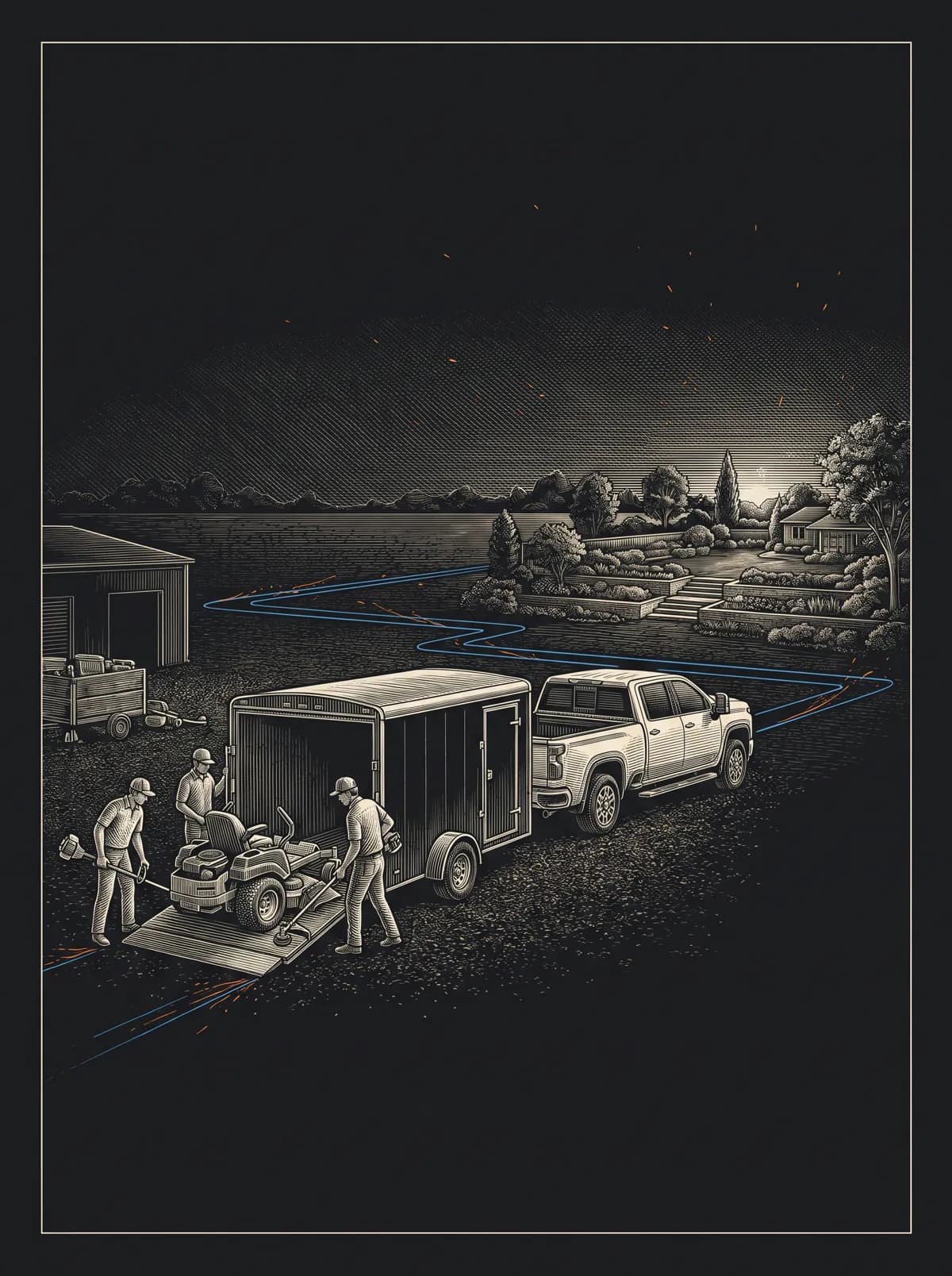
Built around your operation. Not someone else’s.
The Forge
AI is the hammer. Anvil is the surface it strikes.
A model, a chatbot, a software subscription — each is only a tool. It cannot fix an operation it does not understand.
We map how your landscaping company actually works, then build the operating system around it. The agents, memory, integrations, and approvals are shaped to your workflows—not pulled from a generic package.
I
Mapped before built
We follow the work from the first inquiry to the finished job and find the handoffs where time, revenue, and information disappear.
II
Shaped to fit
Your services, crews, tools, customers, and approval rules determine what gets built. No two Anvil systems are identical.
III
Kept sharp
We test on live work, tune what changes, and expand the system only after the first workflow holds.
01Where It Breaks
Every job is a chain of handoffs. We find where it breaks.
Landscaping companies rarely lose time because their people do not care. They lose it between the steps: a call that never reaches sales, a quote that never gets followed up, a schedule change that never reaches the crew, or a customer update that lives in one person’s phone.
We map the real workflow first. Then we build agents at the points where the operation needs them. These are common patterns — discovery determines the actual map.
- 01Lead Intake
Calls, forms, referrals, and new opportunities arrive in different places. The next step depends on who happens to see them first.
- 02Estimating and Quoting
Site notes, measurements, production knowledge, and pricing rules live across people and tools. Quotes slow down before they ever reach the customer.
- 03Sales and Follow-Up
Good opportunities go quiet because nobody owns the next touch. Missed calls, open quotes, and old customers disappear into the week.
- 04Scheduling
Work, weather, materials, equipment, and availability change faster than the schedule. The office rebuilds the day by hand.
- 05Crew Coordination
The field learns about changes through calls and group texts. The latest plan is not always the plan everyone is following.
- 06Ownership
The information exists, but the owner still has to ask three people to understand what is late, blocked, profitable, or waiting.
One job, from inquiry to renewal. The left column is nobody’s fault.
It is what happens when good people run a growing company on tools that do not talk to each other. The right column is the same company with an operating system built around how it works.
| Stage | The way it moves now | With the operating system |
|---|---|---|
| Inquiry | A call, form, or referral waits until someone notices it. | The inquiry is captured, organized, and routed into the right next step. |
| Qualification | Fit is decided from memory and scattered context. | The right information is assembled for a person to review quickly. |
| Quote | Notes, measurements, and follow-up live in separate places. | Quote inputs are organized, missing information is flagged, and follow-up stays visible. |
| Schedule | Weather, people, equipment, and job readiness are reconciled by hand. | The schedule reads the constraints together and proposes the next workable plan. |
| Field | Changes move through calls and text threads. | The office and crews work from the same current context. |
| Follow-Up | Closeout, renewals, reviews, and future work depend on memory. | Open actions stay attached to the customer and job until they are resolved. |
Map every step. Coordinate every handoff. Build only what the operation needs.
02The Operations Brain
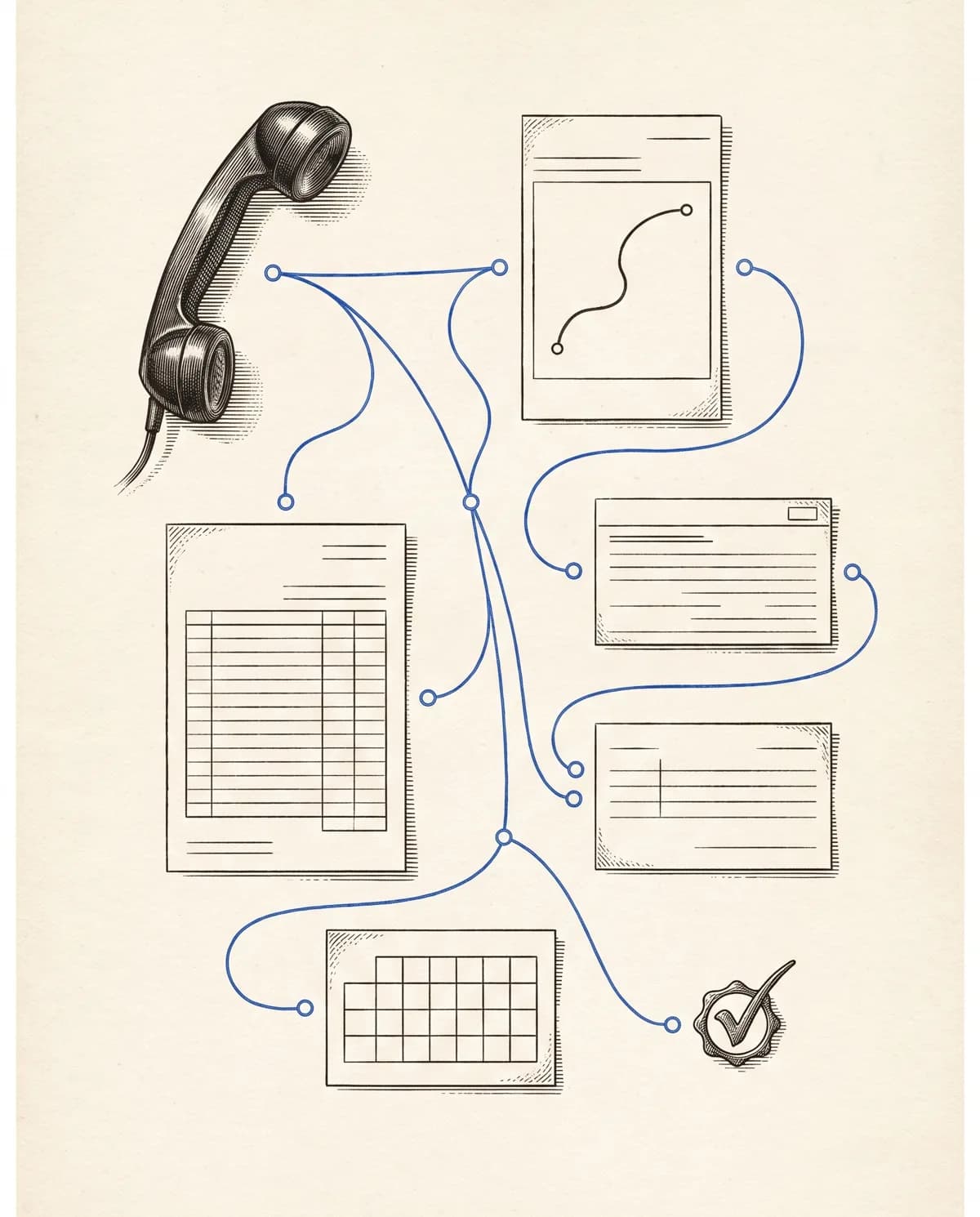
One operating layer across the way your company works.
The complete picture
Leads, quotes, schedules, crews, jobs, customers, and open decisions should not live as separate stories. Anvil connects the context so each part of the company can act from the same picture.
Built around your stack
Some companies run Aspire or LMN. Others use Jobber, QuickBooks, spreadsheets, Gmail, and text messages. We do not assume the stack. We decide what should connect, what should change, and what should be replaced after we map the workflow.
The goal is not another dashboard. The goal is an operation that knows what happened, what happens next, and who needs to act.
- Aspire
- LMN
- Jobber
- QuickBooks
- Google Sheets
- Gmail
- Text Message
- Your Existing Systems
03Examples of What We Build
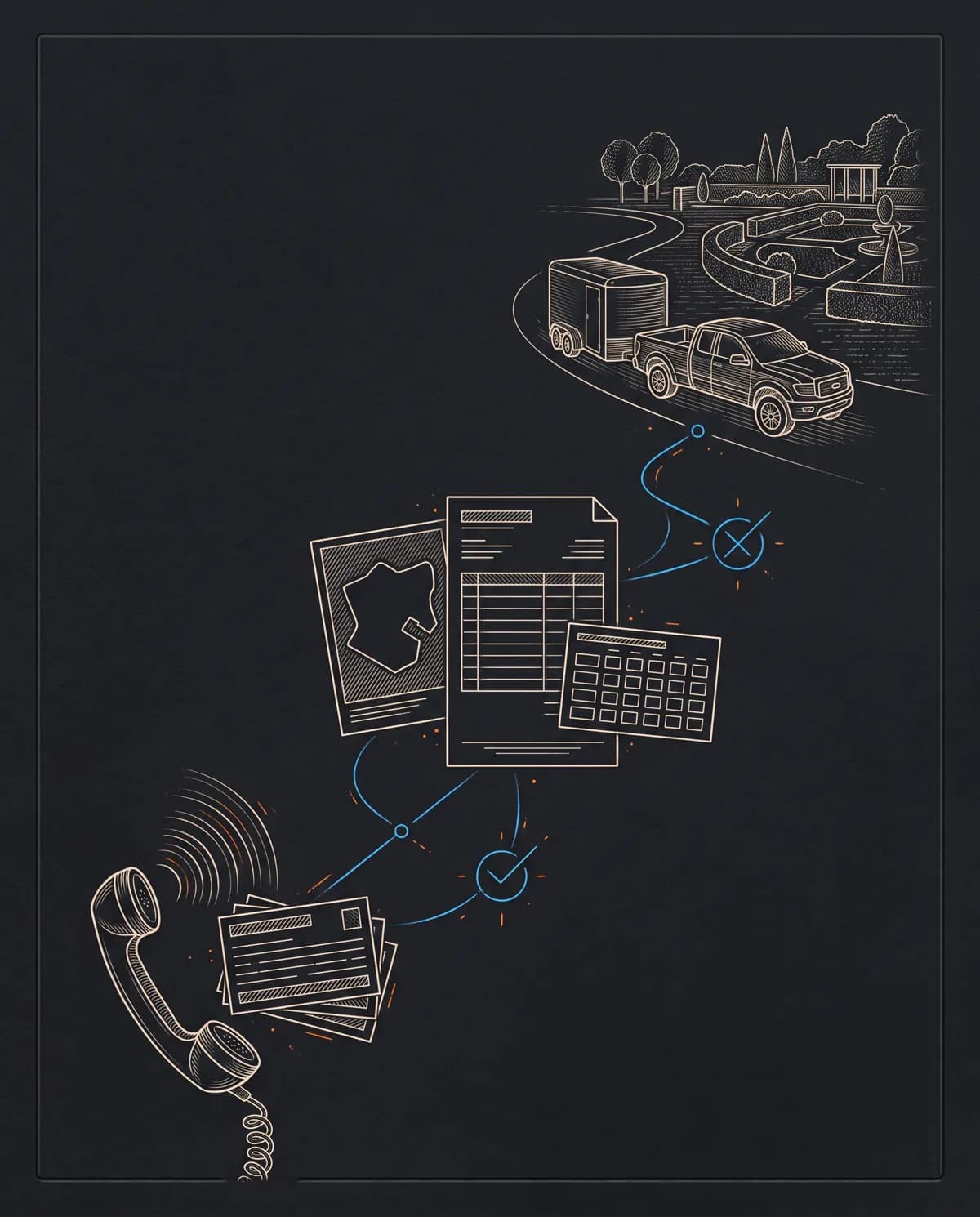
Examples, not a package — the workflow determines which agents your company needs.
01Leads and Intake
New opportunities found, captured, and ready for the right person.
Lead-generation and intake agents can research opportunities, organize incoming inquiries, recover missed calls, assemble context, and route the next action into your real sales process.

02Quotes and Follow-Up
Every open quote stays visible until the decision is made.
Quote agents can organize site information, identify missing inputs, prepare drafts, flag stale estimates, and keep the follow-up sequence attached to the opportunity.
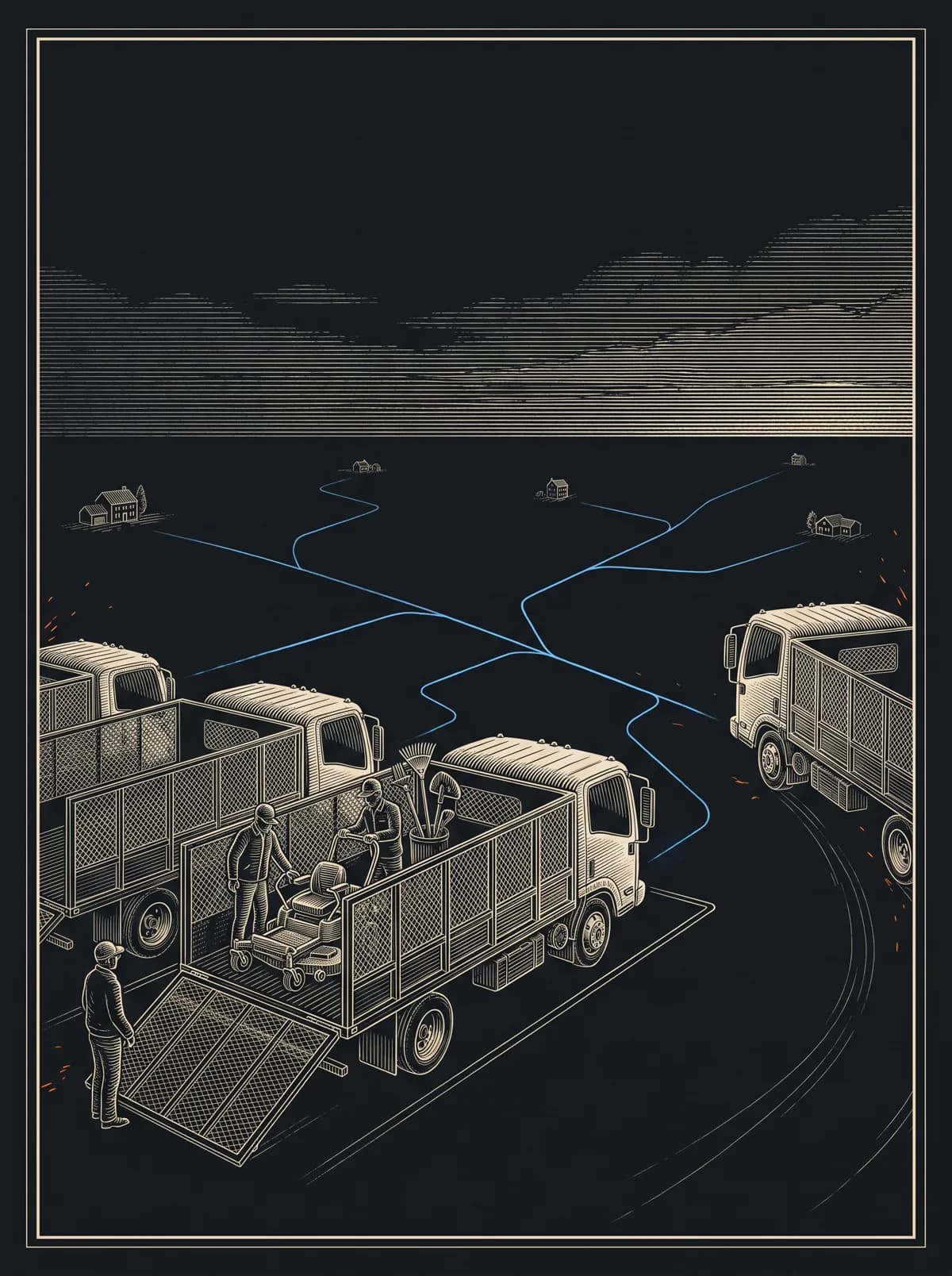
03Scheduling and Crews
The office and the field start from the same plan.
Scheduling agents can read open work, crew availability, weather, materials, equipment, and priorities, then propose changes and coordinate the approved plan with the people affected.
04CRM and Company Memory
Every customer, job, and decision keeps its context.
The operating brain can connect lead history, customer communication, job notes, tasks, quotes, and approved agent actions so the answer does not depend on who remembers it.
04A Day with Anvil
Plan before the crews roll. Adjust while they work. Know where the day stands before it ends.
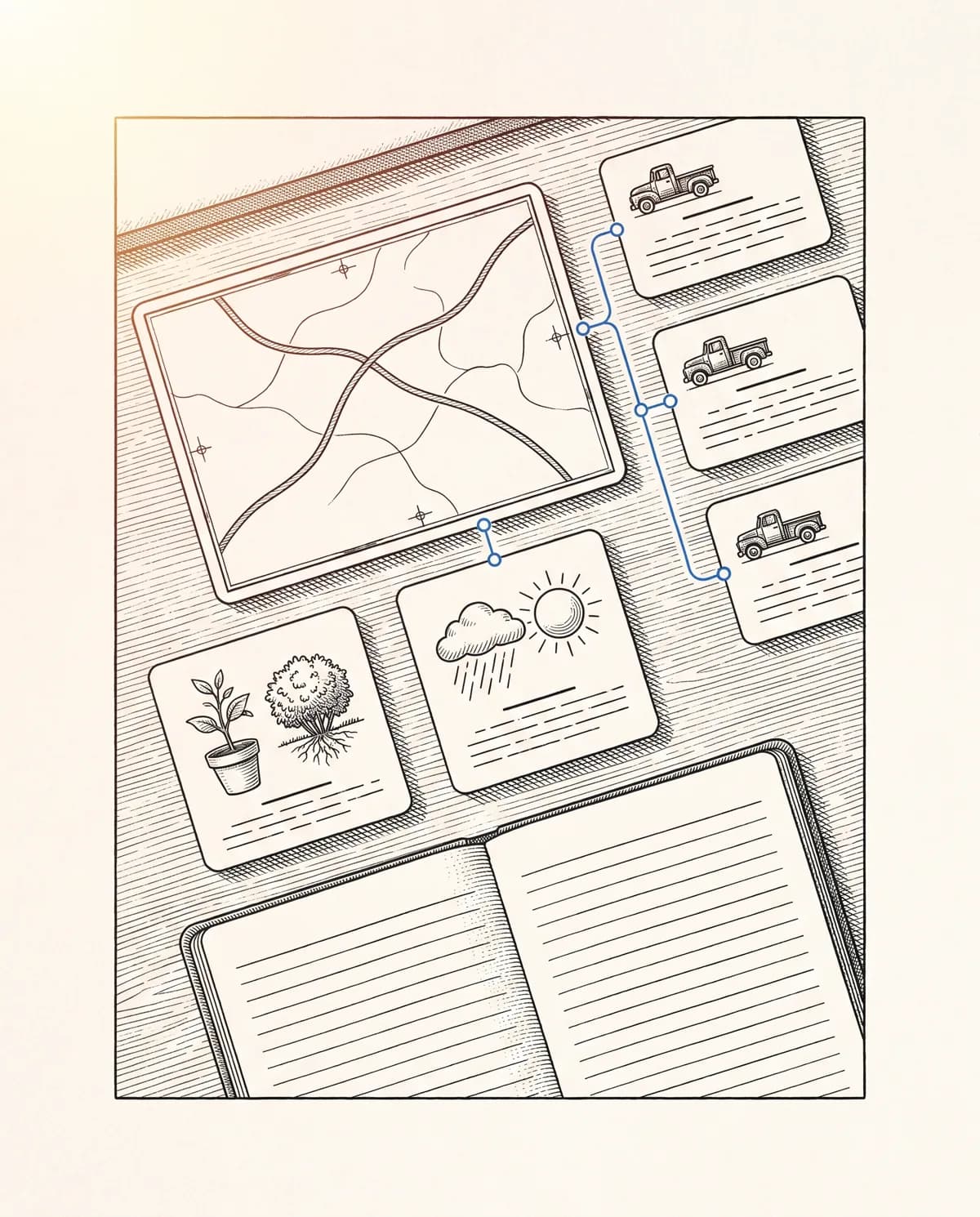
01Morning
01
The morning picture
One plan before the first truck leaves.
New inquiries, open quotes, crew availability, routes, job readiness, weather, and materials are assembled into the morning picture. The team starts with what matters instead of rebuilding it from memory.
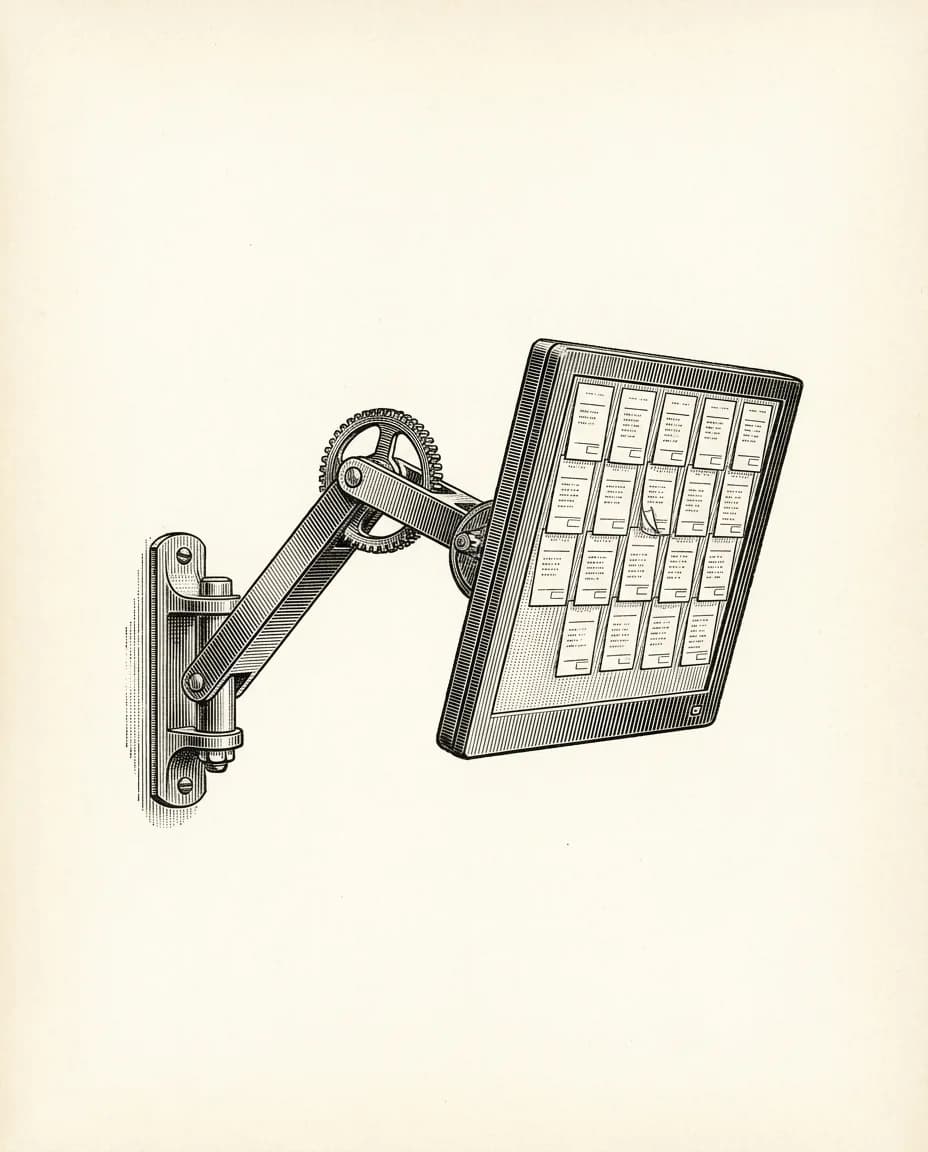
02Midday
LIVE
The day in motion
The plan changes without losing the thread.
A rain cell moves in. A crew member is out. A delivery slips. The system shows what the change affects, drafts the next actions, and keeps the office and field aligned after approval.
03Close
END
The close-out
The day closes with tomorrow already in view.
Completed work, crew notes, customer updates, open quotes, follow-ups, and unresolved flags are captured before they become tomorrow's surprises.
Every decision connected to the work that created it.
04Specimen
This is what lands before the day starts.
Not another dashboard to remember to check. A brief assembled from the workflows and systems your company authorizes Anvil to read.
Illustrative example · fictional operation · final format depends on the company
- LEADS
- Three new inquiries need review. One after-hours caller has not received a response. Two researched opportunities match the current service area.
- QUOTES
- Two estimates are awaiting follow-up. The Oak Hill install is missing final material quantities before a draft can be completed.
- CREWS
- Crew assignments are ready for review. One absence affects the afternoon maintenance route and the Franklin enhancement visit.
- WEATHER
- Rain is likely between 1:00 and 3:30 p.m. Two route changes are proposed. No customer messages have been sent.
- MATERIALS
- The Brentwood install is short four shrubs and one irrigation controller. A reorder draft is waiting for approval.
- FLAGS
- One maintenance agreement reaches its renewal window this month. Three completed jobs still need customer follow-up.
Review to act · outward-facing actions stay behind your approval rules
05One Industry. Different Operations.
Same industry. Different operation.
A recurring maintenance company does not run like a design-build firm. A commercial operator does not run like a residential installation team. The niche is shared. The operating system is not. We build around your company’s actual model.
Recurring Maintenance
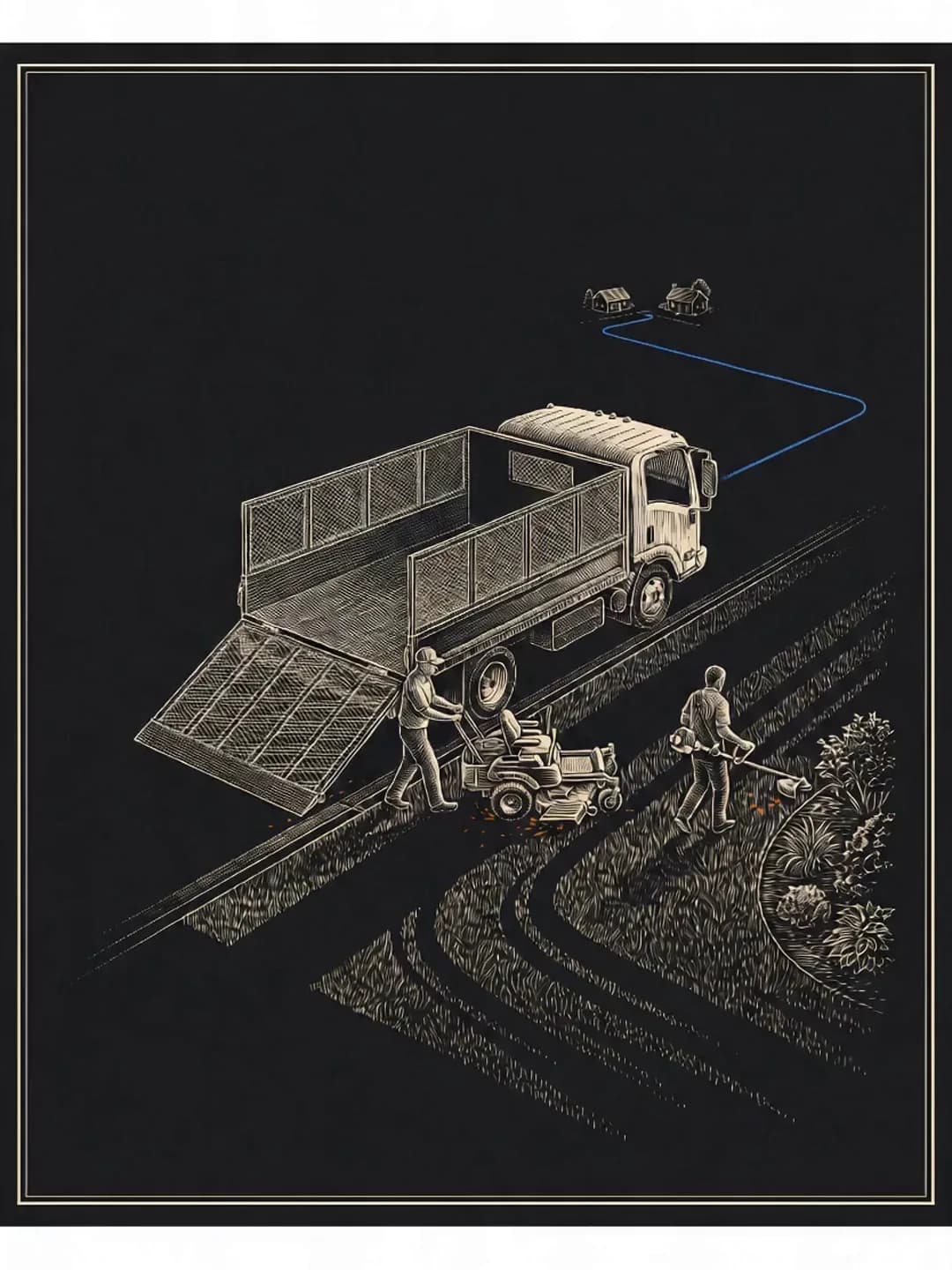
Routes, service agreements, weather, crew coverage, property notes, renewals, and customer communication move every day. The system is built around repetition, exceptions, and keeping every property current.
- 01Route and crew scheduling
- 02Weather-driven changes
- 03Property and service history
- 04Recurring-contract renewals
- 05Enhancement opportunities
- 06Customer updates
Design-Build and Installation
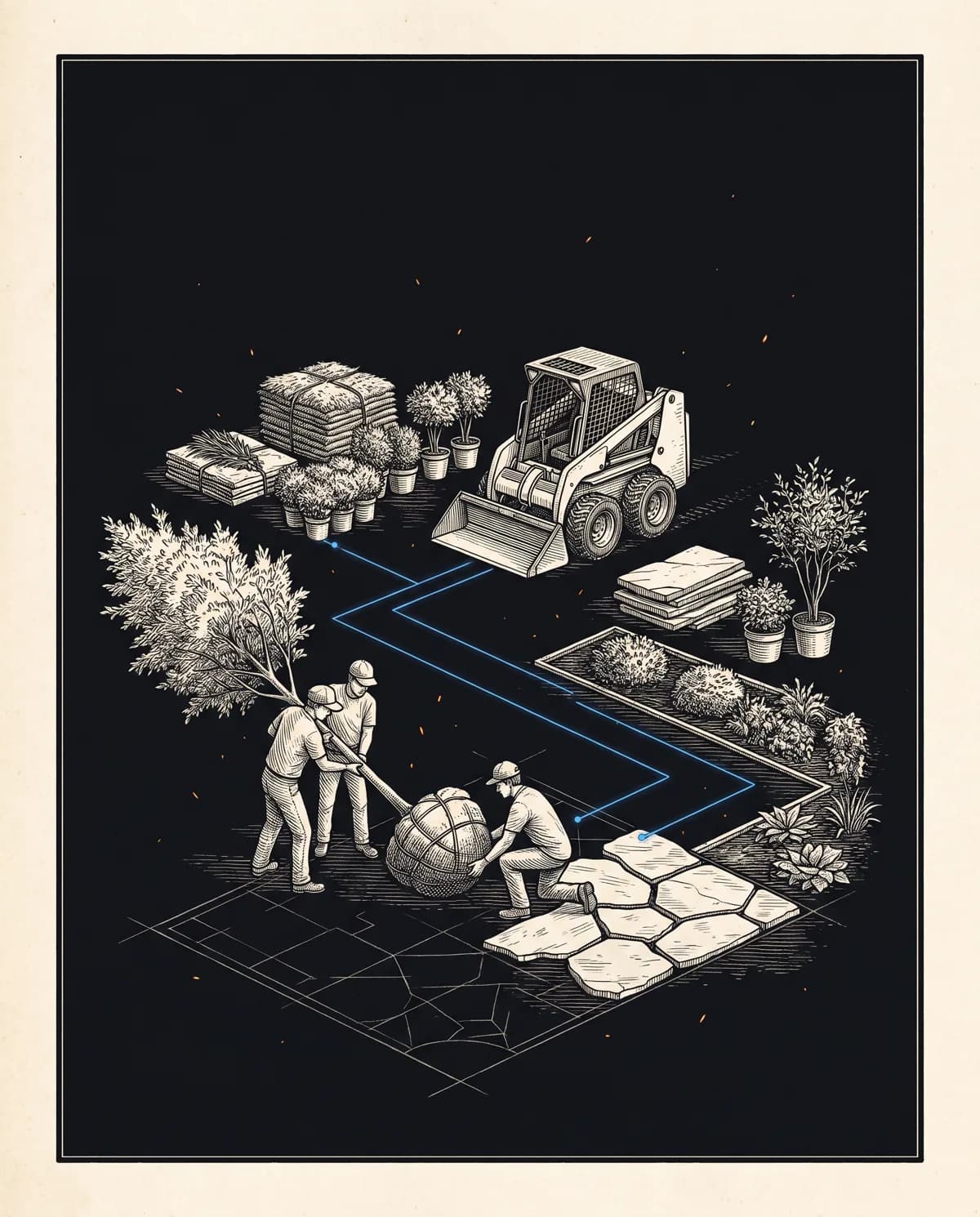
Leads, site visits, design decisions, estimates, materials, approvals, crews, and project milestones move through longer handoffs. The system is built around context, readiness, and getting every decision to the next stage.
- 01Lead qualification
- 02Site-visit preparation
- 03Quote and proposal readiness
- 04Design and approval tracking
- 05Materials and installation coordination
- 06Closeout and maintenance handoff
Who this is for
Landscaping companies with enough moving parts that coordination has become a real job: multiple people, crews, active opportunities, recurring routes, projects, locations, or systems that depend on someone holding the whole picture together.
What we need from you
Access to the people who understand the workflow, honest examples of where it breaks, and a willingness to test the first build on controlled live work.
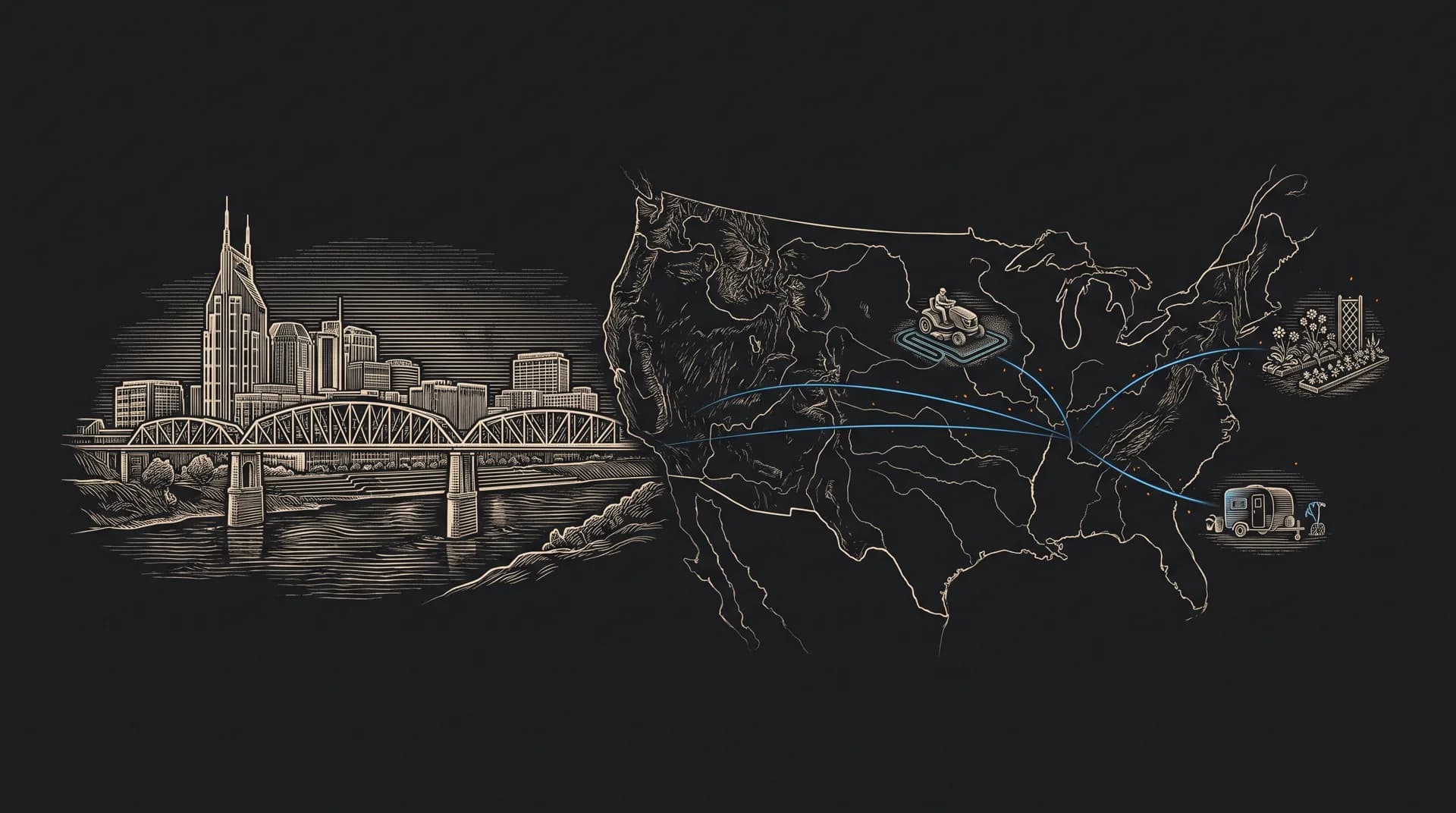
Built here. Ready to work wherever the operation runs.
06Trusted Ground
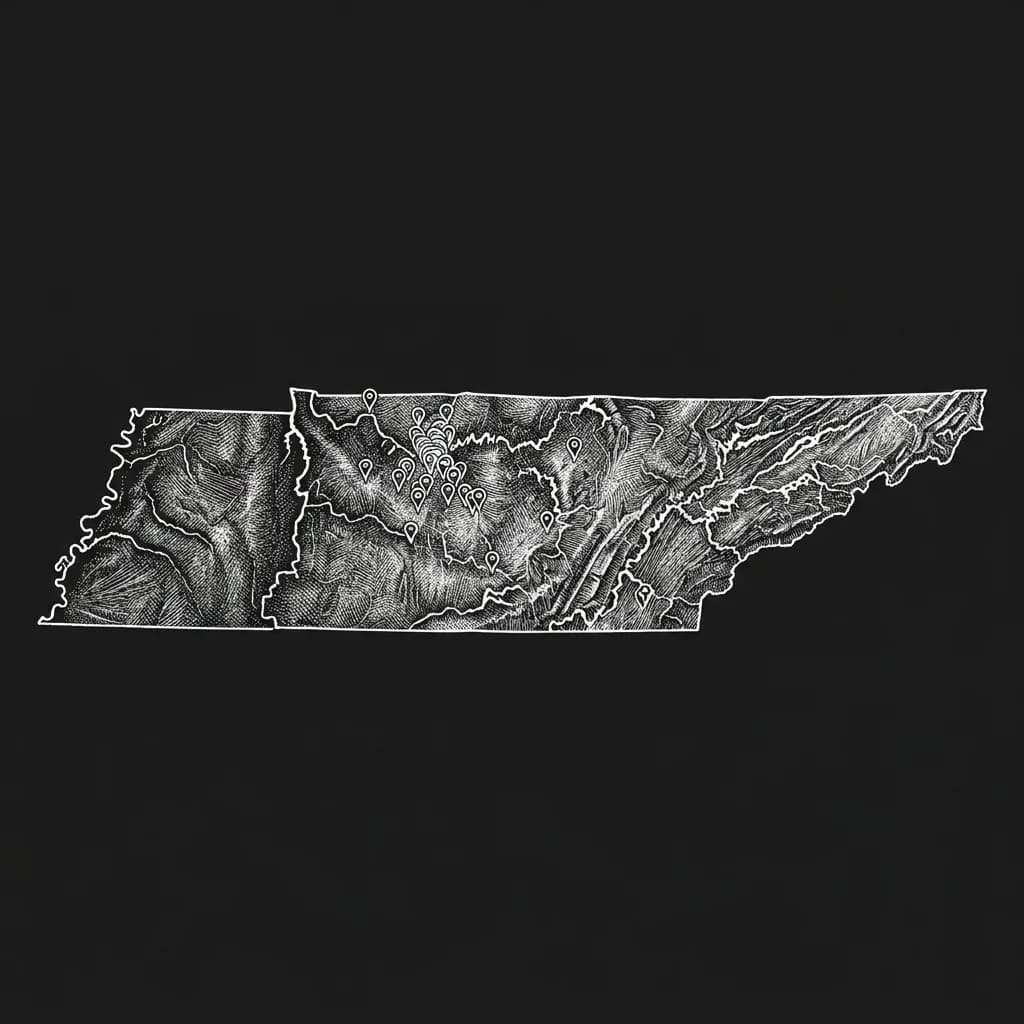
Built in Nashville. Built for landscaping companies nationwide.
Anvil starts in Middle Tennessee, where we can learn the work in person and build through real relationships. The systems are designed for landscaping companies across the country, without pretending every market or operation works the same way.
What we stand behind
We do not sell a template and call it transformation. We map the workflow, show what we intend to build, test it on controlled work, and keep high-impact actions behind the right approval rules.
We will not fill this page with borrowed logos or invented results. The standard is a working system on the company’s real operation.
Anvil AI SolutionsNashville, Tennessee
Your operation stays under your control.
Access, data flow, memory, and agent permissions are explained before deployment. You decide which systems Anvil may read, what agents may draft, and which actions require a person to approve them.
Access is granted by you · revocable by you
Middle Tennessee first. Landscaping companies nationwide.
07What You Can Ask
One ask. The operating system finds the right context.
Owner
What needs my attention before the crews roll?
Reads the approved lead, quote, schedule, crew, weather, and job context · returns one prioritized brief
Representative questions · the working set depends on what we build for you
Leads
Which new opportunities fit our service area and work mix?
Missed Calls
Who called after hours and still needs an answer?
Quotes
Which estimates have not been followed up?
CRM
Which opportunities have gone quiet?
Schedule
What moves if it rains Thursday?
Crews
Which crew has room tomorrow?
Routes
Rebuild Thursday's maintenance routes for review.
Materials
What is missing for the Franklin install?
Renewals
Which maintenance agreements are nearing renewal?
Job Costs
Where does the Brentwood project stand against estimate?
Customers
Which clients are waiting on an update?
Owner
What is blocked, late, or waiting on me?
What happens when an agent gets something wrong?
Agent work should be inspectable. You can see what information the agent used, what it proposed, and what still requires approval. High-impact actions do not become automatic until the workflow has earned that level of trust.
Does the team have to change how it works overnight?
No. We start with the existing workflow, identify the smallest useful change, and decide where the system should meet the team. The right interface may be a dashboard, email, text, an existing tool, or a purpose-built view. Discovery decides that.
08Tailored
We tailor Anvil around how you run.
Landscaping companies may share an industry, but they do not share one operating model. Services, customers, crews, tools, approval rules, and handoffs vary. So we do not ship one universal Anvil. We scope the workflow, build the operating system it needs, deploy it on controlled work, and tune it as your company changes.
01First
Scope
We map the workflow with the people who run it, identify the costly handoffs, and define the first system worth building.
02Then
Build
We build the agents, memory, integrations, records, and approval controls around your company's actual process.
03On live work
Deploy
The first workflow runs on controlled live work, with the right people reviewing its output and correcting what does not hold.
04Ongoing
Tune
We improve the system from real use, maintain the operating knowledge, and add the next workflow only after the first one works.
Scope and pace are set together on the scoping call
Start with one workflow
We do not ask a company to replace its whole operation at once. We start where the bottleneck is expensive and measurable. If the first system works on real work, we expand from there. If it does not, we stop there.
One workflow first · judged on live work
Or email anvil@anvilai-solutions-net.com for direct scoping.